Rare Properties on the Market in Gainesville, FL
Rare Opportunity for 2 Beautiful, Large Historic Properties
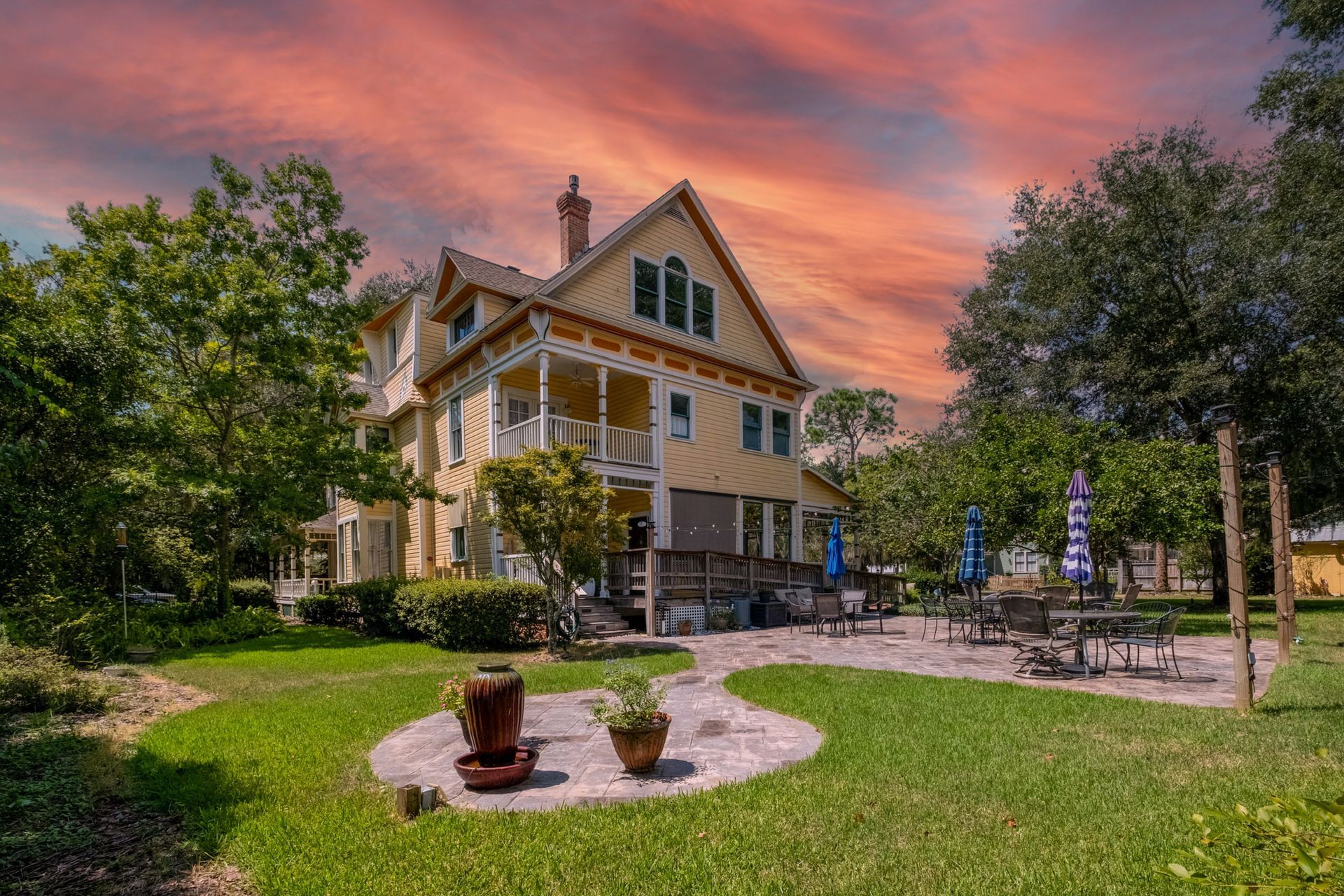
A Rare Historic Inn Portfolio in the Heart of Gainesville
The Laurel Oak Inn and The Camellia Rose Inn represent a distinctive real estate opportunity in Gainesville, Florida: two historic inn properties with the scale, charm, and layout to support a wide range of hospitality, wellness, retreat, and residential program uses.
For the right buyer, these properties are more than beautiful historic buildings. They are a ready-made platform for an organization, operator, nonprofit, healthcare group, retreat leader, or hospitality entrepreneur looking for a property with warmth, flexibility, and presence.
In a market where many organizations are searching for properties that feel personal rather than institutional, The Laurel Oak Inn and The Camellia Rose Inn stand out immediately. These properties offer private guest rooms, multiple bathrooms, inviting gathering areas, and the kind of character that cannot be recreated in a new construction facility.
Whether envisioned as a private retreat center, recovery residence, wellness destination, group home, transitional living environment, boutique inn, staff housing property, or residential education program, this historic Gainesville portfolio offers exceptional adaptive reuse potential.
Two Historic Properties with Built-In Flexibility
The Camellia Rose Inn, located at 205 SE 7th Street in Gainesville, includes a 7-bedroom, 7.5-bath historic inn. The associated Hodges House adds four one-bedroom apartments and a studio apartment, creating meaningful flexibility for residential, hospitality, or program-based use.
Nearby, The Laurel Oak Inn at 221 SE 7th Street offers another substantial historic inn property with 7 bedrooms and 7.5 bathrooms.
Together, the properties create a rare multi-building opportunity: two historic inn homes with a combined 14 bedrooms and 15 bathrooms across the main inn properties, plus additional apartment-style accommodations through Hodges House.
That combination is difficult to find. Many large residential properties lack enough bathrooms. Many commercial buildings lack warmth. Many hospitality properties lack privacy. This portfolio brings together room count, bathroom count, charm, and operational flexibility in one highly distinctive Gainesville setting.
Ideal for a Private Retreat Center
Retreat centers need more than square footage. They need atmosphere.
The Laurel Oak Inn and The Camellia Rose Inn offer the kind of setting that immediately feels intentional. Historic architecture, residential scale, inviting common areas, and private accommodations create a natural environment for groups to gather, reflect, learn, and recharge.
These properties could serve beautifully as a destination for leadership retreats, church retreats, women’s retreats, wellness weekends, writing retreats, board retreats, donor retreats, ministry intensives, grief retreats, academic retreats, executive off-sites, or small group coaching programs.
Unlike a hotel, a historic inn creates a sense of privacy and connection. Guests are not scattered across a large commercial building. They are gathered in a home-like environment where meals, conversations, meetings, and rest can happen naturally.
The private bedroom and bathroom configuration is especially valuable. Retreat guests often want community during the day and privacy at night. These properties offer both. Groups can gather in shared spaces for meals, sessions, prayer, workshops, or discussion, then retreat to private rooms for rest and quiet.
The additional apartment-style units at Hodges House add even more flexibility. They could be used for facilitators, speakers, visiting professionals, staff, long-term participants, or guests who prefer a more independent setup.
For a retreat operator looking to create a memorable Gainesville destination, this portfolio offers a strong foundation from day one.
A Compelling Setting for Wellness and Recovery Programs
The Laurel Oak Inn and The Camellia Rose Inn also offer natural appeal for wellness, recovery, and rehabilitation-focused residential programs.
Many organizations in the wellness and recovery space are moving away from cold, clinical environments and toward settings that feel peaceful, dignified, and residential. These historic inns offer that kind of environment. They feel personal. They feel established. They feel like places where people can breathe, reset, and begin again.
A recovery residence, sober living program, behavioral health retreat, mental health step-down model, therapeutic residential program, or wellness-focused rehabilitation concept could make strong use of the properties’ layouts. Private rooms, multiple bathrooms, gathering spaces, and separate apartment-style accommodations create options for both community living and personal privacy.
This kind of real estate can be especially valuable for operators who want their program to feel warm and high-quality. The property itself becomes part of the experience. From the moment a participant, family member, or referral partner arrives, the setting communicates care, stability, and professionalism.
The multi-building nature of the portfolio also allows for thoughtful program design. One property could function as the primary residential environment, while another could support administration, visiting professionals, alumni programming, staff housing, family lodging, or step-down accommodations. Hodges House adds another layer of independence and flexibility for longer stays or specialized housing needs.
For organizations that understand the importance of environment in healing and recovery, these properties offer a compelling opportunity.
Strong Potential for Group Home or Supportive Residential Use
The portfolio may also be well suited for group home, supportive housing, transitional living, or mission-driven residential programs.
A successful residential program depends on more than beds. It depends on creating a setting where people feel safe, respected, and rooted. These properties offer the warmth of a home with the room count of a larger operation.
Potential uses may include women’s housing, young adult transitional housing, nonprofit residential programs, supervised living, educational housing, family support lodging, residential ministry programs, or supportive group living.
The historic inn layout is an advantage because it already supports both privacy and community. Residents or participants can have their own bedrooms and bathrooms while still sharing meals, programming, and daily rhythms in common spaces. That balance is often difficult to achieve in a traditional single-family home or a more institutional commercial facility.
For nonprofits or mission-based organizations, the properties also offer a strong public-facing presence. They feel established and credible. They have a sense of history and care. That matters when welcoming residents, donors, board members, families, and community partners.
A group home or supportive housing program located in a property like this can feel less like a placement and more like a true home.
A Gainesville Location with Built-In Demand Drivers
Gainesville is a strong market for adaptive reuse because it is more than a university town. It is a medical, educational, cultural, and regional service hub.
The presence of the University of Florida, UF Health, downtown Gainesville, local nonprofits, professional services, parks, restaurants, and community organizations creates a broad ecosystem for potential uses. Retreat operators can draw from university, nonprofit, ministry, healthcare, and professional networks. Residential program operators can benefit from Gainesville’s service infrastructure and community-oriented environment.
The SE 7th Street location offers proximity to downtown Gainesville while still maintaining the feel of a historic residential neighborhood. That combination is valuable. It allows a property to feel tucked away and personal while still being connected to the city.
For hospitality operators, the location supports Gainesville visitors, UF-related travel, alumni weekends, special events, visiting families, and longer-stay guests. For nonprofit or wellness operators, the location offers access to local resources while preserving the charm and privacy of a residential setting.
Existing Hospitality Infrastructure Creates a Head Start
One of the strongest selling points of The Laurel Oak Inn and The Camellia Rose Inn is that they already have hospitality infrastructure.
A buyer trying to create this kind of property from scratch would typically need to solve multiple expensive problems: bedroom count, bathroom count, guest flow, common areas, furnishings, residential warmth, parking flow, kitchen use, private quarters, and overall guest experience.
These properties already begin with a hospitality-oriented layout. They were designed to welcome guests. They already have private accommodations, gathering spaces, and a sense of arrival. That gives the next owner a significant head start.
For a retreat center, that means the property already feels like a destination.
For a recovery or wellness program, that means the environment already feels residential and dignified.
For a group home or supportive living program, that means the property already supports both shared life and personal space.
For a boutique hospitality operator, that means the properties can continue telling a Gainesville story that guests will remember.
Multiple Revenue and Use Models
The flexibility of this portfolio creates several possible operating models.
A buyer could operate the properties as a boutique inn portfolio, using the historic character and Gainesville location to attract visitors, families, alumni, wedding guests, university travelers, and special event groups.
A retreat operator could create a private retreat center with weekend retreats, weeklong intensives, leadership programs, ministry gatherings, or wellness experiences.
A healthcare or recovery organization could use the properties for residential recovery, sober living, therapeutic retreat programming, step-down care, or supportive housing.
A nonprofit could use the portfolio for transitional housing, residential education, women’s programs, young adult support, or family lodging.
An educational or institutional buyer could use the properties for visiting scholars, staff housing, guest faculty, small conferences, donor lodging, or alumni programming.
The strongest real estate opportunities are often the ones that can serve more than one purpose. This portfolio offers that kind of flexibility.
A Property with Character, Scale, and Story
Historic properties have something that newer buildings often lack: a sense of soul.
The Laurel Oak Inn and The Camellia Rose Inn are not blank boxes. They have identity. They have a sense of place. They offer the kind of historic Gainesville charm that helps people remember where they stayed, gathered, recovered, or began a new chapter.
For many buyers, that emotional quality matters. A retreat center should feel peaceful. A recovery residence should feel grounded. A group home should feel safe. A boutique inn should feel memorable. These properties naturally lend themselves to those experiences.
From a real estate perspective, the opportunity is clear: two historic inn properties, substantial bedroom and bathroom counts, additional apartment-style accommodations, a Gainesville location, and multiple potential paths for future use.
From an operator’s perspective, the opportunity is even more compelling: a chance to create something meaningful in a setting that already feels special.
A Rare Gainesville Opportunity
The Laurel Oak Inn and The Camellia Rose Inn offer a rare combination of beauty, flexibility, and function. They are large enough to support a serious operational concept, yet personal enough to avoid the feel of an institution. They are historic enough to feel memorable, yet practical enough to support a range of hospitality and residential uses.
For a retreat center, they offer privacy, charm, and gathering space.
For a recovery or wellness operator, they offer a warm residential environment.
For a group home or supportive housing provider, they offer dignity, structure, and community.
For a hospitality buyer, they offer an established Gainesville lodging opportunity with character that cannot be easily replicated.
For a mission-driven organization, they offer a setting where people can be welcomed, supported, restored, and connected.
The next chapter for The Laurel Oak Inn and The Camellia Rose Inn could be deeply meaningful. With vision, thoughtful operation, and the right buyer, these historic Gainesville properties can continue serving guests and residents for years to come.